On a cold night, an electric blanket can warm your bed without running whole-room heat all evening. The challenge is choosing one that is comfortable, easy to care for and sensible to use overnight. The best electric blanket with timers should pair a dependable shutoff with useful temperature choices, clear safety instructions and a design that fits your bed.
This guide compares five common blanket styles and explains what to check before buying. It is a selection guide, not a ranking of specific branded products: features vary by model, so confirm the manual and listing details for the exact blanket you are considering. You will also find guidance on washing, energy use and overnight habits that can reduce avoidable risks.
How to Choose the Best Electric Blanket With Timers
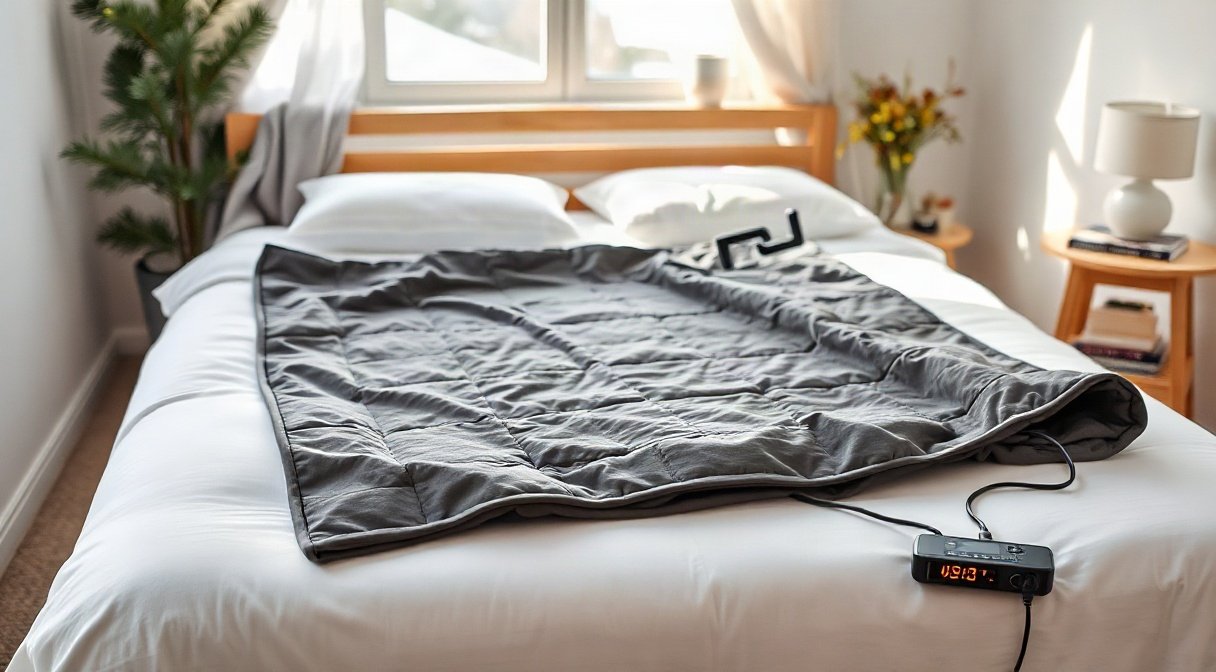
Start with the way you intend to use the blanket. An underblanket sits beneath the fitted sheet and warms the mattress area; an overblanket is designed to cover you like a regular blanket. A heated throw is smaller and works well for one person relaxing on a sofa. Choosing the right format matters as much as choosing a timer because each design has different coverage, control placement and care instructions.
Next, check that the blanket is the correct size for your mattress or intended seating area. A blanket that is too small may leave cold spots, while excess fabric can bunch or hang over the bed edge. Look for clear guidance on placement, whether it can be folded, and whether it is compatible with adjustable beds. Never assume that a blanket can be tucked tightly around a mattress just because its dimensions seem suitable.
Timer controls vary. Some offer a preheat period followed by automatic shutoff; others let you choose how long the blanket stays on. Look for settings that are easy to understand in low light, and make sure the shutoff behavior is stated in the manual. A timer is a useful safeguard, not permission to ignore the manufacturer’s instructions or leave a damaged blanket operating.
- Heat settings: Several distinct settings make it easier to find comfortable warmth without relying on one high temperature.
- Controller design: Check whether the controls are detachable for washing and whether the display or buttons are simple to operate.
- Independent zones: Dual controls can let two sleepers select different warmth levels, if the blanket is designed for that use.
- Care instructions: Confirm the exact washing method, drying limits and controller-removal steps.
- Certification and support: Look for recognized electrical safety certification, a clear warranty and accessible manufacturer guidance.
Energy-conscious selection is about matching heat to the task. A bed warmer used to preheat a mattress for a limited period may allow you to turn it off before sleep, while a lower setting can be adequate for maintaining comfort. Actual electricity use depends on the blanket’s wattage, selected setting and duration. Check the product label and manual rather than assuming every blanket uses the same amount.
Finally, read the safety directions before buying, not after unpacking. The Electrical Safety Foundation International’s electric blanket safety guidance is a useful starting point for understanding inspection and use precautions. A thoughtful choice balances fit, controls, care and safety rather than treating a timer as the only important feature.
Five Blanket Styles to Compare Before You Buy
There is no single best design for every household. The comparison below uses product styles rather than named models because specifications change between manufacturers and versions. Use it to narrow your needs, then verify exact dimensions, controls and care instructions on the product you plan to purchase. The best electric blanket with timers for a solo sleeper may be a poor fit for a couple sharing a bed.
| Blanket style | Good fit for | Potential drawback | Check before buying |
|---|---|---|---|
| Single-zone bed warmer | One sleeper or a shared temperature preference | One control may not suit both sleepers | Timer options and bed-size coverage |
| Dual-zone underblanket | Couples who prefer separate warmth levels | More controls and connection points to manage | Separate controls, cable routing and wash steps |
| Heated overblanket | People who want warmth above the sheet | May feel heavier or shift during use | Whether it is approved for sleeping under |
| Heated throw | One person on a sofa or chair | Usually too small to warm a full bed | Intended use and automatic shutoff details |
| Low-voltage design | Shoppers prioritizing a different power system | May cost more or require a specific control unit | Certification, transformer placement and care |
Single-zone bed warmer: straightforward and simple
A single-zone underblanket is often the easiest format to set up. It sits under the fitted sheet, so the heating surface can prewarm the bed before you get in. Its straightforward control layout may suit a solo sleeper or a couple who agree on a similar setting. Confirm that the blanket is secured as directed and that the wires are not twisted, trapped or folded.
Its limitation is shared control: one setting cannot independently satisfy two people with different warmth preferences. It is also not the right option for someone who wants an above-the-sheet blanket. Choose something else if you need separate temperature zones or if the product manual does not fit your bed setup.
Dual-zone design: useful for different preferences
A dual-zone bed warmer can give each side a separate controller and warmth selection. That makes it a practical option for partners who disagree about temperature. The trade-off is a more involved setup, with each controller and cord needing a safe route that is not pinched or tangled. Check how the two sides are labeled and whether the timer applies separately to each zone.
Do not buy one on the assumption that both sides can be washed or operated independently in every way. Confirm the care procedure and what happens if one controller is disconnected. Someone wanting the simplest possible setup may prefer a single-zone model.
Throws, overblankets and low-voltage options
A heated throw is convenient for targeted warmth while sitting, but its smaller coverage makes it a poor substitute for a bed-sized warmer. An overblanket can provide direct warmth from above, but only use it for overnight sleeping if the manufacturer explicitly allows that use. Low-voltage designs may appeal to shoppers who want that particular electrical setup, but compare the complete system, including control unit, certification and washing requirements.
For more home-comfort comparisons, see our guides to oversized zero-gravity chairs for relaxing and compact storage ideas for small apartments. Neither replaces careful blanket selection, but both can help you think through how a cozy setup fits your space.
Heated Blanket Safety Features for Overnight Use
Timers, overheat protection and temperature controls are important heated blanket safety features, but no single feature makes every blanket suitable for every person or situation. Follow the manual for the specific model, inspect the fabric and wiring regularly, and stop using a blanket if you notice scorching, exposed wires, damaged connectors, unusual smells or inconsistent heating. Do not try to repair electrical components yourself.
A timer can reduce the chance of a blanket remaining on longer than intended. For overnight use, verify whether the timer shuts the heat off automatically, how long it runs and whether it resets after a power interruption. Some designs are intended to preheat a bed and then be switched off; others may permit continued use under stated conditions. Do not infer overnight approval from a timer alone.
- Buy a model with recognized safety certification appropriate to your market and follow the manufacturer’s instructions.
- Keep the blanket flat and correctly positioned; avoid bunching, folding or trapping it under a mattress unless the manual permits that arrangement.
- Keep controllers and connectors dry, and do not use the blanket with a wet bed or while bathing.
- Keep pets from chewing or scratching the fabric and do not place heavy objects on top of it.
- Unplug the blanket before cleaning, storing or inspecting it, and detach the controller only as directed.
Extra caution is appropriate for people who may not reliably sense heat or communicate discomfort, including some young children, older adults and people with certain medical conditions. Ask a clinician if you are uncertain whether heated bedding is appropriate. Never assume that a low setting eliminates risk. Follow age restrictions and any warnings on the product label.
Check the cord’s route before settling in. It should not be pinched by bed frames, crushed beneath furniture or stretched across a walkway. Avoid using extension cords or power strips unless the manufacturer specifically allows them. Keep the control unit in the position described in the instructions, and do not cover it with bedding if the manual says it needs ventilation.
Standards and certification can help shoppers assess electrical products, but they do not replace careful use. Consult UL’s household appliance testing and certification information to learn why product testing matters, then check the actual blanket for its certification mark and documentation. If the label or manual is unclear, ask the manufacturer before using it overnight.
As a final safety habit, inspect the blanket at the start of each cold season and whenever it has been moved or stored. Look for frayed edges, discoloration, stiff patches and damaged wiring or controls. If there is any doubt about its condition, discontinue use. A replacement is a better choice than taking a chance with a product that no longer appears intact.
Washability, Care and Energy Use
Washable electric blanket reviews often focus on whether the controller detaches, but the word “washable” does not mean every model can go through the same cycle. One may allow machine washing on a gentle setting, while another may require hand washing or prohibit certain detergents. Read the care label and full manual for the exact model. If the controller cannot be removed as instructed, do not put the blanket in a washer.
Before cleaning, unplug the blanket and disconnect the control unit using the specified method. Check that connectors are free from moisture and debris. Follow directions for water temperature, cycle, spin speed and detergent. Avoid wringing, ironing or dry-cleaning unless the manufacturer explicitly approves that method. These steps protect both the fabric and the internal heating elements.
Drying instructions deserve equal attention. Some blankets may be suitable for a low-heat tumble-dry cycle, while others must air-dry flat. Do not reconnect or use a blanket until it is completely dry, including around connectors. Never hang it in a way that stretches the wiring or use a high-heat drying method unless the manual specifically allows it.
For useful washable electric blanket reviews, look beyond a star rating and assess practical details: how easy it is to remove the control, whether the instructions are clear, whether the blanket can be dried without special equipment, and whether reviewers describe issues after following the care directions. Reviews are personal experiences, not a substitute for the manufacturer’s approved cleaning method.
- Choose a detachable controller if convenient routine washing is important.
- Check whether the washing machine capacity can handle the blanket without compressing it tightly.
- Make sure the care instructions are available before buying, not only after delivery.
- Store the clean, dry blanket loosely rather than tightly folded around sharp creases.
Energy use depends on wattage, heat setting and runtime. The product label or manufacturer documentation is the right place to find a model’s electrical rating. To estimate consumption, multiply the blanket’s kilowatt rating by the number of hours it runs; this gives approximate kilowatt-hours before considering cycling behavior. Your utility rate then determines the cost. Treat the result as an estimate, not a guaranteed bill amount.
A timer can help limit runtime, and using a lower comfortable setting may use less electricity than a higher setting for the same period. Preheating the bed and turning the blanket off before sleep may work for some people, provided the manual permits that use. Compare energy claims carefully: a low-wattage figure alone does not tell you how warm the blanket feels or how long it needs to run.
Care also affects longevity. Avoid sharp folds, pulling on the cords or storing the blanket while damp. Keep the original manual or download a copy so you can check washing and troubleshooting steps later. Well-maintained equipment is more likely to remain comfortable and dependable, but no maintenance routine can make a damaged blanket safe.
Set Up a Comfortable Overnight Routine
Once you have chosen a blanket, set it up exactly as directed. For an underblanket, place it in the specified position and secure it without stretching or bunching. For an overblanket, confirm that the maker approves your intended use and placement. Route cables away from areas where they could be trapped, pulled or tripped over, and keep connectors accessible for inspection.
Use the first evening to learn the controls while you are awake. Check how each setting feels, how to activate the timer and whether the display is legible without disturbing a sleeping partner. If the blanket has a preheat function, find out whether it automatically changes to a lower setting or switches off. Never rely on an assumed feature: verify it in the instructions.
A sensible routine can be simple: inspect the blanket, set a comfortable level, choose the permitted timer duration, and confirm the cord and controller are correctly placed. If you wake feeling uncomfortably warm, turn it off rather than trying to sleep through the discomfort. Do not cover a controller or add layers in a way the manual says not to.
Think about the room and bedding too. An electric blanket is a personal warming aid, not a replacement for safe home heating or adequate insulation. If the room is extremely cold, address drafts and use suitable bedding rather than forcing the blanket to run on its highest setting all night. Keep it away from moisture and do not use it as a substitute for a hot-water bottle or another heat source unless the manufacturer allows the combination.
Before storing the blanket at the end of the season, unplug it, clean it according to the instructions and allow it to dry fully. Inspect the fabric and cable, then store it loosely in a dry place. Avoid placing heavy items on top of it. On taking it out again, check for damage before plugging it in. A timer cannot compensate for wear that occurred during storage.
Choose the best electric blanket with timers by matching the control features to your real routine. A couple may prioritize independent zones, a solo sleeper may value simple controls, and a person who wants couch warmth may be better served by a throw. In every case, compare timer behavior, intended use, safety certification, cleaning directions and warranty support before deciding.
If you are comparing listings, make a short checklist and check the same details for each option. This prevents a flashy feature list from overshadowing practical limitations. Also consider whether the blanket can be returned if its size, feel or controls do not suit you, and read the seller’s policy before ordering.
Frequently Asked Questions
Can I leave an electric blanket on all night?
Only if the manufacturer explicitly permits overnight operation and you follow its instructions. A timer or automatic shutoff does not automatically mean the blanket is approved for continuous use. Check the manual, inspect the blanket and use the controls only as directed.
What timer setting should I choose?
There is no universal duration. Use the option recommended in the product manual and consider whether you want to preheat the bed or maintain warmth. The best electric blanket with timers is one whose shutoff behavior is clear and suited to your routine.
Are machine-washable electric blankets safe to wash?
They can be washed only by following the specific care instructions. Unplug and detach the controller as directed, use the permitted cycle and drying method, and do not reconnect the blanket until it is completely dry. Never assume all washable designs share the same rules.
What safety features should I look for?
Look for clear automatic shutoff details, multiple heat settings, recognized electrical safety certification, a detachable controller where appropriate and accessible manufacturer instructions. Heated blanket safety features work alongside proper setup and inspection; they cannot make damaged equipment safe.
Are dual-control blankets worth considering?
They can be useful when two sleepers prefer different warmth levels. Check that each side has its own control, learn how the timer operates for each zone and understand how the cords are routed. If you prefer a simple setup or share the same setting, a single-zone design may be enough.
How can I compare washable electric blanket reviews?
Look for comments about controller removal, clarity of cleaning directions, fit and performance after proper care. Give more weight to specific, relevant experiences than vague praise. Then confirm every washing and drying detail in the manual for the exact model.
Conclusion: Choose Warmth With Clear Controls
The right electric blanket should fit your bed or seating area, provide settings you can use comfortably and explain its timer, care and safety requirements clearly. Compare blanket styles before buying, verify overnight-use guidance and follow the manufacturer’s washing instructions. The best electric blanket with timers is not simply the one with the longest feature list; it is the model that suits your routine and can be used as directed.
Before you order, compare the control layout, shutoff behavior, certification, size and care instructions side by side. Check the product manual for any detail that is missing from the listing. A few minutes of careful review can help you choose a comfortable option for colder months with fewer unpleasant surprises.