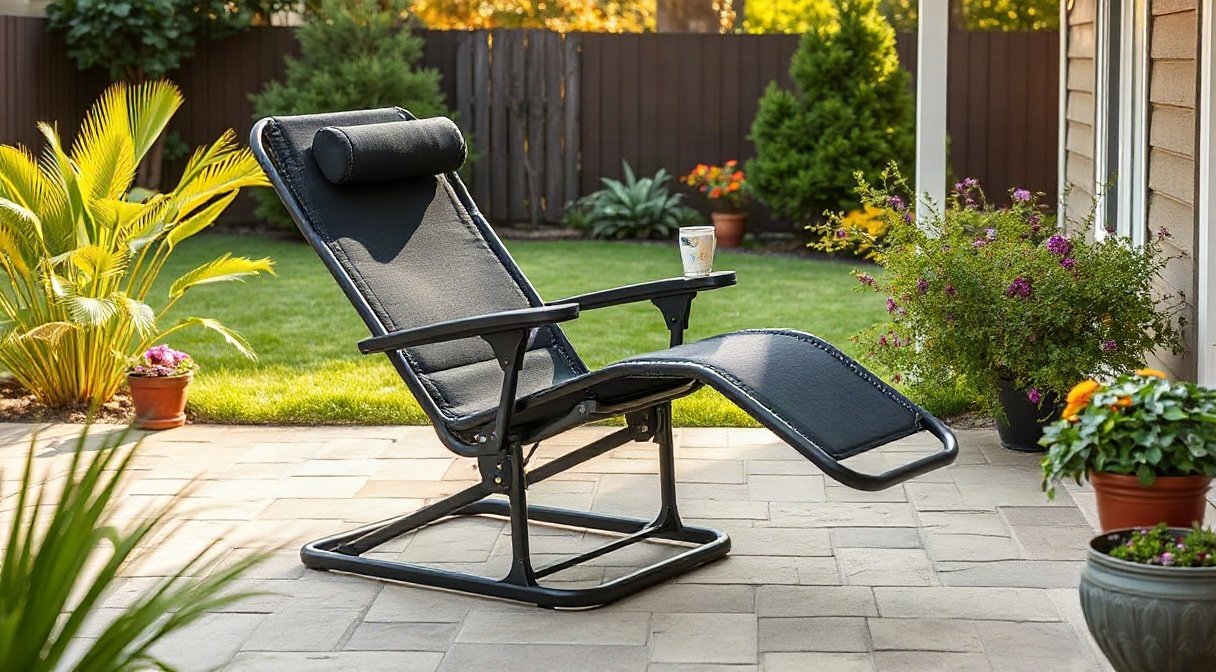
A roomy recliner can make a patio, campsite, or patch of lawn feel more inviting—but a chair that looks oversized is not automatically comfortable or suitable for a higher-weight user. The best oversized zero gravity chair combines a clearly stated weight capacity with a stable frame, supportive fabric, and a recline system that feels secure and easy to adjust.
This guide compares five practical chair profiles, explains what to check in product listings, and identifies who may be better served by another style. Use it to find a comfortable backyard relaxation chair or a more portable heavy duty lounger without relying on vague labels or assumed specifications.
Oversized Zero Gravity Chair: Five Styles Compared
“Oversized” is a useful starting point, not a standardized measurement. One chair may offer a wider seat, another may have a higher back, and a third may simply use a more substantial-looking frame. Before comparing models, look for the actual seat width, assembled dimensions, maximum recommended user weight, and product weight. Those details reveal more than a marketing label.
The five profiles below represent common options shoppers encounter. They are not claims about one particular model: dimensions, construction, and capacity vary between manufacturers and even between versions of a product. Treat the table as a way to narrow your search, then confirm every specification on the listing and in the manufacturer’s instructions.
| Chair profile | Best at | Main trade-off | Best fit for |
|---|---|---|---|
| Wide padded steel-frame recliner | Cushioned lounging and a generous seat | Bulkier to carry and store | Patios and decks where it can stay set up |
| Breathable mesh XL lounger | Airflow in warm weather | Less plush than thick padding | Sunny yards and warm-weather camping |
| Folding camping-style XL chair | Packability and occasional transport | May feel less refined for daily patio use | Campers who need a movable recliner |
| Premium padded recliner with headrest | Adjustable comfort and extra cushioning | More features can mean more parts to maintain | Long lounging sessions at home |
| Entry-level oversized recliner | Basic reclining at a lower relative cost | Often fewer comfort and finish details | Occasional users with modest expectations |
The wide padded steel-frame profile is appealing if you value cushioning and a roomier sitting area, but it is not the best choice if you must carry a chair far or have little storage space. A mesh XL lounger prioritizes ventilation and can be more pleasant in heat; shoppers seeking a soft, sofa-like feel may find it too taut. A camping-style version suits people who move equipment between home and campsite, but check how the folded size and chair weight fit your vehicle and storage setup.
Premium padded versions add comfort details such as a removable headrest or adjustable foot support, but extra features do not guarantee better fit. An entry-level oversized model can be perfectly sensible for occasional use, yet may disappoint someone who wants refined adjustments or durable upholstery for frequent lounging. For more ways to make an outdoor area usable, see our guide to backyard outdoor pizza ovens.
When comparing any oversized zero gravity chair, consider the whole setup: a comfortable recline range, easy-to-reach locking controls, and a frame that rests securely on your typical surface. If you cannot find a clear capacity or dimensions, do not assume the chair is suitable based on appearance alone. Ask the seller or choose a listing with complete manufacturer specifications.
Two Comfort-First Picks: Padded and Mesh Designs
Pick 1: Wide padded steel-frame recliner
This profile is the closest fit for shoppers who want a generous seat and a cushioned feel for regular patio lounging. Padding can soften contact points, while a broad frame may feel less confining than a compact standard chair. A reclining position can also make it easier to rest outdoors with a book or listen to music without sitting bolt upright. Look for padding that is attached securely and fabric seams that appear reinforced.
The drawbacks are practical. Padding can retain heat, become damp if left out, and take longer to dry than open mesh. A larger, cushioned build is also usually less convenient to lift, fold, and store. This is not a great match for someone who needs a lightweight chair for frequent hikes between a car and campsite, or who plans to leave furniture exposed to rain. If you choose this type, make room for a cover or indoor storage.
Buy this profile if comfort at home matters more than compact transport and you can verify that its stated capacity and dimensions suit the intended user. Choose something else if you need fast-drying fabric, minimal storage space, or a chair that is easy to carry for long distances.
Pick 2: Breathable mesh XL lounger
A mesh model is often the more appealing choice for warm afternoons. Air can circulate through the fabric, which can feel cooler than a thickly padded seat. Mesh is also commonly easier to wipe down and may dry more readily after a light shower, although no outdoor fabric should be assumed to be weatherproof without the manufacturer’s care guidance. The right mesh should feel supportive rather than slack, with no uncomfortable pressure points when reclined.
Its main limitation is the lack of plush cushioning. People who prefer a soft, padded surface may want an added cushion, but first check whether the manufacturer permits accessories and whether an extra layer affects safe use or the recline mechanism. Mesh tension also matters: a chair that is too taut may feel firm, while fabric that sags can provide poor support. Inspect product photos and construction details, but use verified dimensions and return terms to judge fit.
A breathable mesh lounger makes sense for a hot climate, a sunny patio, or a user who values easy cleanup. It is a weaker choice for anyone who prioritizes thick cushioning or wants to sit outdoors through chilly evenings. This is a useful comparison point when selecting an oversized zero gravity chair: more width does not tell you whether the surface itself will feel right.
For either style, prioritize an independently stated weight limit rather than interpreting “heavy duty” as a guarantee. The frame, fabric, hinges, and locking hardware all contribute to safe support. Follow the stated limit and setup instructions; do not test a chair by exceeding its rating. A suitable backyard relaxation chair should feel stable in the intended recline position, with controls that can be operated without awkward reaching.
Three More Picks: Camping, Premium, and Value Options
Pick 3: Folding camping-style XL chair
A folding camping-oriented lounger is for people who want to move their seat between the yard, sporting events, and campsites. Its strongest advantage is flexibility: it can be packed away when not needed and brought along for outdoor trips. Before buying, compare the folded dimensions, total chair weight, carry method, and setup steps. “Portable” is relative; a broad recliner may still be awkward to carry, especially over uneven ground.
The trade-off is that a chair designed to fold may not feel as substantial or polished as a patio-first model. Folding joints add points that need careful use, and a compact storage profile does not mean the chair is suitable for every campsite surface. Avoid this type if you want a permanent, furniture-like fixture or if lifting and carrying a bulky item is difficult. It is best for users whose priority is occasional transport and who can confirm that the chair’s stated capacity meets their needs.
Pick 4: Premium padded recliner with headrest
This style aims to make long lounging sessions more adjustable. A removable or repositionable headrest can help users find a comfortable neck position, while additional padding may make the seat feel more inviting. Some designs include a footrest or accessory tray. These extras are useful only if they suit your posture and do not interfere with folding, getting in and out, or the chair’s locking mechanism.
Premium does not mean universally better. Extra parts can complicate storage, cleaning, and maintenance, and a feature-rich chair may be a poor value if you use it only occasionally. It is not for shoppers who want the simplest possible setup or a chair that can be left outside without care. Check whether accessories are included, removable, or sold separately, and read the care instructions before treating upholstery as weather-resistant.
Pick 5: Entry-level oversized recliner
An entry-level model can provide the basic experience—a reclining frame, a broad seat, and straightforward controls—without paying for extras you may not use. It may be a sensible first purchase for a sheltered patio or occasional weekend lounging. The important question is not whether it is the cheapest option, but whether it still provides clear specifications, secure locks, and a capacity that matches the user.
Potential compromises include fewer adjustment options, simpler fabric, or less refined finishing. Those limitations matter more for daily use than for occasional relaxing. Do not buy a basic chair if its listing omits essential dimensions or leaves capacity unclear. Likewise, someone seeking a long-term everyday seat may prefer a better-supported model with transparent construction details and a clear warranty.
These profiles offer different answers to the same shopping question. A portable heavy duty lounger should balance capacity and transportability; a patio model can put comfort and stability ahead of folded size. For a product to earn a place on your shortlist, it needs to be a good fit for the user and the setting—not just carry a large-looking frame or a reassuring product label.
How to Choose the Right Oversized Zero Gravity Chair
Start with fit and capacity, then evaluate comfort. The phrase oversized does not guarantee a particular seat width or weight rating, and manufacturers do not all use the same naming conventions. Compare the listed seat width, overall width, seat height, back height, and assembled footprint with the user’s needs and the available space. If two people will use the chair, assess whether it comfortably suits both rather than buying to the larger label alone.
- Confirm the weight limit. Find the manufacturer’s stated maximum capacity in the product details or manual. Do not infer a rating from tubing thickness, chair weight, or customer photos.
- Check dimensions. Seat width and depth affect comfort; overall width matters on narrow decks and between patio furniture.
- Assess the recline controls. Look for a clearly explained locking system and instructions for adjusting the chair safely.
- Match fabric to climate. Mesh favors airflow; padding adds softness but may hold moisture and warmth.
- Plan storage and transport. Check folded measurements, product weight, and whether the chair is manageable to lift.
- Review warranty and returns. A clear policy is valuable when comfort and fit cannot be judged from a product page.
Next, consider the way the chair will be used. On a deck where it can stay in place, a heavier padded model may be a fair trade for extra cushioning. For camping, a folding design may be preferable, but make sure its folded footprint is realistic for your vehicle. If you expect to move the chair often, try to find the product weight and carrying details rather than assuming that every folding design is lightweight.
Read customer feedback for recurring, specific observations, not just star ratings. Repeated comments about difficult locks, fabric sag, awkward assembly, or unclear instructions deserve attention. A single complaint may reflect a damaged delivery or an individual preference, so look for patterns. Also check whether reviews refer to the same size or version you intend to buy; product pages sometimes combine feedback across different variants.
Check who is responsible for the chair and its instructions. Manufacturer information should identify safe use, capacity, setup, maintenance, and warranty terms. For broader consumer safety context, you can search the U.S. Consumer Product Safety Commission recalls database. It is not a substitute for checking a specific product’s instructions, but it is a useful public resource when researching products and safety notices.
Finally, think about the surface and surroundings. A reclining chair needs enough room to move without striking a wall, railing, table, or other person. Place it on stable, level ground and keep children from playing with its hinges or locks. If the chair will sit on a deck, allow enough clearance to recline fully and stand up without pulling against nearby furniture. This practical check helps turn a promising heavy duty lounger into a comfortable, usable backyard relaxation chair.
Comfort, Setup, and Care for Long-Term Use
Comfort depends on more than seat width. The chair should support your back and legs without creating pressure at the knees, hips, or shoulders. If possible, sit in a similar recliner before buying, or choose a seller with a reasonable return policy. Consider whether the headrest can be repositioned, whether the fabric feels supportive, and whether the armrests are comfortable at the angles you actually use. A broad chair that does not fit your posture can still be uncomfortable.
Learn the reclining mechanism before settling in. Set the chair on level ground, follow the instructions for opening it, and make sure it is fully engaged before applying your weight. Keep fingers clear of moving joints, and use the intended adjustment controls rather than forcing the frame. Do not lean sharply to one side or use the chair in a way the manufacturer prohibits. If a lock slips, a hinge bends, or fabric tears, stop using the chair until it has been inspected or repaired as directed.
Assembly and setup deserve the same care as the final seating position. If parts are included, check them against the instructions and tighten only as directed. Do not substitute hardware or modify the frame to make a chair fit. When moving a folded chair, hold it by the recommended areas and keep hands away from pinch points. If the manufacturer provides a manual online, save it or keep a copy accessible for later maintenance.
Outdoor storage has a major effect on comfort and lifespan. Even weather-conscious materials can be affected by prolonged sun, standing water, dirt, and temperature changes. Follow the care label for cleaning and drying. Store cushions separately if instructed, and avoid folding a damp chair into a tight space. A breathable cover or sheltered storage can help reduce exposure, but a cover is not a reason to ignore the manufacturer’s care guidance.
For fabric, use only approved cleaning methods. Harsh solvents or abrasive tools may weaken coatings or damage stitching. Check the frame and hardware periodically for loose parts, corrosion, sharp edges, or unusual movement. If your chair has a removable headrest, tray, or cup holder, confirm that accessories are secured before use and remove them before folding if the instructions require it.
Weight capacity should remain a firm boundary, not a target to test. Select a chair whose stated limit is appropriate for the intended user and follow any restrictions on use. Do not let multiple people sit on a single-seat recliner or use it as a step. If a product listing and manual show different specifications, contact the manufacturer for clarification before using it. A dependable oversized zero gravity chair should have clear instructions and specifications, not merely a reassuring name.
Outdoor seating is part of a larger comfort setup. If you are creating a compact patio, our guide to space-saving storage solutions may offer ideas for keeping cushions and accessories organized. The goal is not to turn a chair into maintenance-free furniture; it is to choose a design that suits your routine and care for it consistently.
For independent testing and further reading, see Wirecutter.
Frequently Asked Questions
What does “oversized” mean on a zero gravity chair?
It is a product description, not a universal size standard. Compare the listed seat dimensions, assembled footprint, and capacity rather than assuming that every oversized model is equally wide or supportive.
How do I know whether a chair supports a higher weight limit?
Check the manufacturer’s stated maximum capacity in the product listing and manual. Do not estimate from appearance or rely on a vague “heavy duty” label. If the information is missing or inconsistent, ask the manufacturer before buying.
Is mesh or padding more comfortable for backyard lounging?
It depends on climate and personal preference. Mesh generally promotes airflow and can be easier to dry; padding adds softness but can feel warmer and may need more careful storage. Try a similar chair if you can.
Can I leave a zero gravity chair outside all season?
Only if the manufacturer’s care instructions support that use. Sun, rain, and moisture can affect fabric and frame components. Cover or store the chair as directed, and dry it before folding it away.
Is a folding oversized model suitable for camping?
It can be, if its folded dimensions and weight suit your transport needs and the chair is stable on the campsite surface. Confirm its capacity and setup instructions, and remember that a folding design may still be bulky to carry.
What should I do if a chair’s recline lock feels loose?
Stop using the chair and follow the manufacturer’s troubleshooting guidance. Do not attempt a modification or keep using a lock that slips. Contact the manufacturer if the problem persists or the instructions do not address it.
Conclusion: Choose for Fit, Not Just the Label
The right chair balances verified capacity, usable dimensions, a comfortable recline, and the amount of portability you actually need. Padded designs suit cushioned patio lounging, mesh works well for airflow, and folding models make more sense when you take your seat on the road. Review the manufacturer’s specifications and care guidance before choosing.
Shortlist an oversized zero gravity chair that fits its user and setting, then compare the details that affect everyday comfort—not just the oversized label. Confirm capacity, dimensions, materials, and return terms before you buy, and make room for safe setup and storage.