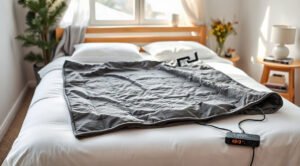

Waking with a stiff back can make a comfortable night’s sleep feel out of reach. If your mattress is too firm, worn, or uncomfortable in certain positions, a well-chosen mattress topper for back pain may improve cushioning and pressure distribution without replacing the whole bed. It cannot diagnose or treat a medical condition, but the right surface may help you rest more comfortably.
This guide compares memory foam and cooling gel options, including their strengths, trade-offs, and best-fit sleepers. You’ll also find practical checks for firmness, thickness, heat retention, and mattress condition, plus advice on when a topper is unlikely to solve the problem.
How to Choose a Mattress Topper for Back Pain
A topper changes the feel of the surface, not the underlying support system. That distinction matters: a topper can soften a hard bed or add a little cushioning, but it cannot repair a sagging mattress or make an unsupportive base structurally sound. Before shopping, notice where your body feels pressure and whether discomfort changes when you sleep on your side, back, or stomach.
For many people, the goal is a balanced feel: enough give around the shoulders and hips to reduce pressure, with enough support to keep the body from sinking unevenly. Research comparing mattress firmness has suggested that medium-firm surfaces may help some people with lower-back discomfort, but individual needs differ. A topper’s label is not a medical prescription. Consider your comfort, sleep position, body weight, and current mattress together.
Side sleepers often prefer a more cushioning surface because shoulders and hips press more deeply into the bed. Back sleepers may want moderate contouring without a pronounced hammock feeling. Stomach sleepers usually need a flatter, firmer surface to limit excessive sinking through the midsection. These are starting points, not fixed rules: a person’s build and preferences can change how the same topper feels.
- Thickness: A thinner layer makes a subtler change; a thicker one can transform the feel more dramatically but may also allow more sink.
- Density and response: Slow-response foam contours closely, while more responsive foam is easier to move on.
- Temperature: Foam can retain warmth. A breathable cover or cooling treatment may help, but it does not guarantee a cool sleep surface.
- Fit: Check your mattress size, current depth, fitted-sheet pocket depth, and whether the topper has straps or a non-slip bottom.
- Return terms: Read trial, return, and warranty conditions before opening the package; policies vary by seller and product.
Also inspect the mattress beneath the topper. If it has a visible dip, broken support, or a pronounced soft spot, adding a comfort layer may disguise the issue briefly while leaving the cause unchanged. A topper is most useful when the mattress remains supportive but feels too hard, too flat, or slightly uncomfortable at the surface.
For medical context, the Cleveland Clinic’s back-pain guidance explains when back symptoms deserve professional attention. Seek care for persistent, worsening, or concerning pain rather than relying on bedding changes alone. A mattress topper for back pain is a comfort choice, not a substitute for evaluation or treatment.
As you compare memory foam mattress reviews, look beyond star ratings. Check what the reviewer says about sleep position, firmness preference, body weight, heat, and how long the product was used. Those details are more useful than a simple claim that one topper is universally “best.”
Five Topper Types Compared: Who Each One Suits
The products below represent different approaches to cushioning and temperature management. Names and specifications can change, so verify the current manufacturer listing for materials, cover details, available sizes, and return conditions before purchasing. The comparison is about likely feel and trade-offs, not a promise that a particular model will relieve everyone’s symptoms.
| Option | Typical feel | Strongest reason to consider it | Think twice if… |
|---|---|---|---|
| TEMPUR-Adapt memory foam topper | Close contouring, slow response | You want pressure cushioning and a stable feel | You dislike slow-moving foam or sleep very hot |
| ViscoSoft Active Cooling topper | Foam comfort with cooling-focused materials | You want contouring with added temperature features | You expect active air conditioning from a topper |
| Saatva Graphite Memory Foam topper | Contour with a more premium construction | You want a substantial comfort upgrade | You need the lowest-cost or easiest-to-move layer |
| Sleep Innovations Dual Layer topper | Plush, layered cushioning | You prefer a softer, more padded surface | You need a firmer, low-profile feel |
| Linenspa Gel-Infused Memory Foam topper | Accessible, contouring foam feel | You want an entry-level way to soften a firm bed | Your mattress already sags or you need strong support |
TEMPUR-Adapt: close contouring and slower movement
Good at: This style is designed for close body contouring and pressure cushioning. It may appeal to a side sleeper or someone who wants a more cradled feel on a sound but overly firm mattress. Its slower response can also help the surface feel stable when a partner moves.
Trade-offs: That same slow response can make changing positions feel less effortless. Traditional contouring foam may also feel warm to some sleepers, and a premium branded topper generally sits above entry-level options in relative cost. Check the current version’s cover and care instructions rather than assuming every model includes the same features.
Choose something else if: You sleep hot, dislike sinking into foam, or want a lively surface that springs back quickly. A latex-style or more responsive foam layer may suit those preferences better.
ViscoSoft Active Cooling: contouring with a temperature focus
Good at: A cooling-oriented foam topper can suit people who like memory foam’s pressure relief but want a surface designed with heat management in mind. It is worth comparing the cover, foam construction, and attachment system, not just the word “cooling” on the label.
Trade-offs: Cooling materials can improve the initial surface sensation without eliminating heat trapped by a warm room, bedding, or the sleeper’s own body. Foam still has a close-contact feel, and product versions may differ. Confirm specifications, size availability, and return rules directly with the seller.
Choose something else if: You expect a topper to actively chill the bed or need firm orthopedic support. Consider a more breathable, less conforming surface if even cooling-treated foam feels too enveloping.
When comparing these models, weigh comfort against practical concerns. A topper that feels promising but slips, overheats you, or makes it hard to turn may not improve sleep quality over time. The mattress topper for back pain that works best is the one that fits your body and sleep habits, not simply the one with the most features.
Memory Foam Mattress Reviews: Three More Approaches
Foam toppers are not interchangeable. Differences in layering, thickness, responsiveness, and cover construction can make two products with similar descriptions feel very different. The following options illustrate a plush layered design, a more premium contouring approach, and an entry-level gel-infused option. Check the current product page for exact materials and construction because specifications can change between versions.
Saatva Graphite Memory Foam: a more substantial comfort upgrade
Good at: Saatva’s graphite memory foam topper is positioned as a more substantial comfort layer for people who want contouring and a noticeable change to a mattress that still offers sound support. The graphite element is intended to address heat, while the foam provides cushioning. It may suit a side or back sleeper seeking a more finished, premium-feeling surface.
Trade-offs: A thicker, more substantial topper changes the bed more than a thin pad and can be harder to handle when making the bed. It may also be a larger investment relative to simple entry-level foam. Cooling ingredients should not be mistaken for a guarantee of temperature neutrality, and close contouring still may not suit everyone.
Choose something else if: You need a budget option, prefer a firm and responsive surface, or want a layer that is easy to fold and store. If your mattress is badly worn, replacing the support system may be a better use of your money.
Sleep Innovations Dual Layer: plushness with extra cushioning
Good at: A dual-layer design can create a more padded, cushioned feel than a single thin foam sheet. It can appeal to sleepers who find their mattress uncomfortably firm and want a softer surface. The layered construction may also be attractive if you prefer the feeling of a plush bed rather than a tightly conforming, dense foam slab.
Trade-offs: More plushness is not automatically better for back comfort. A sleeper who sinks too far may feel less supported, especially around the hips. Layered components can shift or require more effort to keep in place, depending on the specific design and fitted sheet. Verify care instructions and how the layers are secured.
Choose something else if: You are a stomach sleeper who needs a flatter surface, dislike a soft bed, or already feel your hips dropping into the mattress. A thinner, firmer-feeling topper—or no topper—may be more appropriate.
Linenspa Gel-Infused: an entry-level softening option
Good at: Gel-infused memory foam is a familiar entry-level route for softening a firm mattress without choosing a more complex layered product. It offers a simple way to try contouring foam and may work for a sleeper who wants modest pressure cushioning. It can be a practical first comparison point when reading memory foam mattress reviews.
Trade-offs: A basic foam topper can have fewer refinements in cover, edge stability, or attachment than higher-tier options. Gel infusion is not the same as active cooling, and a thin layer cannot correct a mattress that sags. Some foam products also need time to air out after unpacking; follow the manufacturer’s ventilation and setup guidance.
Choose something else if: You need a durable, highly supportive replacement for a failing mattress, want a premium removable cover, or know that foam makes you uncomfortably warm. Look at construction and current return terms, not just the lower relative price.
These examples show why memory foam mattress reviews are most useful when they explain the reviewer’s needs and drawbacks. A topper can soften pressure points, but a plush layer that feels pleasant for a few minutes might not suit a full night in your usual position. If possible, prioritize a clear trial policy and give your body a reasonable adjustment period within the seller’s stated return window.
Cooling Gel Mattress Topper Choices and Sleep Temperature
A cooling gel mattress topper is intended to make foam more comfortable for people who tend to sleep warm. “Cooling” can refer to different things: a cool-to-touch cover, gel-infused foam, graphite or other heat-management materials, or a breathable design. These features are not identical, and none necessarily works like an air conditioner. Read the material description closely and look for clear explanations rather than relying on a bold cooling claim.
Memory foam can contour closely, increasing the amount of material in contact with the body. That closeness is part of why some people like its pressure cushioning, but it can also feel warmer. A cooling cover may improve the first impression, while ventilation, room temperature, clothing, and the rest of your bedding affect comfort over the entire night. A topper cannot compensate for a hot room or heavy insulating layers.
When evaluating cooling-focused options, use a simple checklist:
- Identify the actual feature: Is the product describing a fabric finish, infused foam, a ventilated structure, or a combination?
- Look for the trade-off: Does the product still offer the degree of contouring you want, or does its construction change the feel?
- Check the cover: Find out whether it is removable, washable, and compatible with your care routine.
- Consider bedding: Breathable sheets and lighter blankets may make a meaningful difference alongside the topper.
- Use return terms wisely: Confirm whether opened bedding can be returned and what condition the seller requires.
Cooling should not be the only selection criterion if your main concern is back discomfort. A mattress topper for back pain should provide a feel that suits your sleeping position and does not let your body sink unevenly. If a cooling treatment makes little difference but the surface supports you comfortably, it may still be a better fit than a cooler topper that feels too firm or unstable.
Likewise, do not assume that gel automatically makes foam more breathable. Product descriptions vary, and independent performance testing may be limited. When reading memory foam mattress reviews, give more weight to specific reports about overnight temperature, room conditions, and the reviewer’s usual bedding than to a one-line claim that a model “sleeps cool.”
For broader sleep comfort, consider the whole bedroom setup. A consistent wind-down routine and comfortable bedding can complement a new surface, though neither is a cure for pain. If you use a weighted blanket, review weighted blanket washing and care instructions to keep it clean without damaging its construction. People who use an electric blanket should also follow the maker’s safety directions; our guide to electric blankets with timers and safety features covers useful considerations.
Independent evidence is useful for keeping expectations realistic. A review of mattress firmness and chronic lower-back pain is available through PubMed’s summary of mattress firmness research. Research on mattresses does not prove that a particular topper will help a particular person, so treat the findings as context rather than a product guarantee.
Setup, Fit, and When a Topper Is the Wrong Fix
Even a suitable topper can disappoint if it slides, bunches, or is paired with the wrong sheet. Start by measuring the mattress, including its depth, and check the topper’s dimensions against the bed size. A fitted sheet must accommodate the mattress plus the topper. If the sheet pulls tight or pops off at the corners, it can compress the topper or cause it to shift during the night.
Follow the maker’s instructions for unpacking and expansion. Some foam products are compressed for shipping and need time to regain their intended shape. Ventilate the room if the instructions recommend it, and do not use the topper before the stated setup period has passed. If it has straps, a grippy underside, or a removable cover, use and care for those parts as directed.
Give yourself time to assess the new feel, but do not ignore a clearly uncomfortable response. Keep track of sleep position, morning stiffness, heat, pressure points, and how easy it is to turn over. A brief note for several nights can reveal whether discomfort is changing or whether the topper simply feels wrong. Stay within the seller’s trial and return deadlines, and do not remove tags or discard packaging until you have reviewed the policy.
A mattress topper for back pain may be the wrong fix when the mattress has a deep body impression, broken springs, an uneven base, or widespread deterioration. A comfort layer follows the shape beneath it, so it usually cannot restore a collapsed support core. Similarly, if pain is severe, recurring, linked with numbness or weakness, or affecting daily life, discuss it with a qualified health professional rather than continuing to buy bedding products.
Be cautious with medical-sounding marketing. A topper is not an orthopedic treatment simply because a listing uses words such as “therapeutic,” “alignment,” or “doctor recommended.” Ask what the product is made of, how it should feel, and what the return policy allows. A trustworthy comparison explains limitations as clearly as benefits.
Use this quick decision path:
- If the mattress is sound but too firm, compare moderate cushioning and contouring.
- If you sleep on your side, look for pressure relief without excessive sinking.
- If you sleep on your stomach or dislike a soft bed, avoid overly plush, thick layers.
- If heat is a major issue, compare covers and ventilation as well as cooling claims.
- If the bed sags or pain persists, seek a more appropriate mattress or professional guidance.
Ultimately, the best result is not the softest or most heavily advertised topper; it is a surface that lets you rest comfortably, move naturally, and wake without new pressure or heat problems. A mattress topper for back pain should be chosen as one part of a sleep setup, with realistic expectations and a plan to return it if the fit is not right.
Frequently Asked Questions
Can a mattress topper relieve back pain?
It may improve comfort when a sound mattress feels too hard or lacks surface cushioning. It cannot repair sagging support or treat the medical cause of pain. Results depend on sleep position, body shape, mattress condition, and personal preference. Persistent or concerning symptoms deserve professional advice.
Is memory foam or a cooling gel topper better?
Memory foam may suit sleepers seeking close contouring and pressure cushioning. A cooling gel mattress topper adds a temperature-focused feature to some foam designs, but does not guarantee a cool night. Compare the feel, construction, cover, and return terms rather than choosing by label alone.
What thickness should I choose?
There is no universal thickness for back comfort. A thinner layer makes a smaller change, while a thicker one can create more cushioning and sink. Consider your mattress condition, sleep position, and preferred firmness. Excessive softness can be uncomfortable for people who need a flatter surface.
Will a topper fix a sagging mattress?
Usually not. A topper rests on the surface and tends to follow dips in the mattress below it. If the bed has a deep impression or a damaged support core, replacing the mattress or addressing the base may be more effective than adding another comfort layer.
How long should I try a new topper?
Follow the seller’s instructions and trial deadline. Allow the product to expand as directed, then assess comfort over your normal sleep routine. Track heat, pressure, and movement, but stop using it if it causes clear discomfort. Check the return policy before opening or altering the product.
Can a cooling topper make any bed sleep cold?
No. A cooling-focused cover or foam ingredient may change the surface sensation, but room conditions, bedding, body temperature, and foam construction also matter. “Cooling” does not necessarily mean active temperature control. Read the product details and consider lighter bedding and better room ventilation too.
Conclusion: Choose for Your Body and Your Bed
The right mattress topper for back pain depends on whether your mattress is still supportive, how you sleep, and whether you prefer close contouring or a more responsive feel. Memory foam can cushion pressure points; cooling-focused versions may appeal to warm sleepers, while layered and entry-level designs offer different degrees of softness and value.
Compare construction, fit, heat management, care instructions, and return policies before deciding. Choose something else if your mattress sags, you dislike foam, or your symptoms need medical attention. A thoughtful match can make your bed more comfortable, but realistic expectations are essential to better sleep.