Weighted blankets collect sweat, body oils, dust, and everyday spills, but their weight and construction make laundry less straightforward than washing an ordinary throw. The right weighted blanket washing instructions depend on the care label, fabric, fill, and your washer’s capacity. A mistake can damage the shell, strain seams, or leave glass beads unevenly distributed.
This guide explains how to check a blanket before washing, use machine and hand-washing methods, dry it safely, and keep it fresh between washes. Start with the manufacturer’s directions: there is no single method that suits every weighted blanket.
Weighted Blanket Washing Instructions Start With the Care Label
Before adding water or detergent, find the care label and read every symbol and instruction. Check whether the blanket is machine washable, hand-wash only, or spot-clean only. Also note any temperature limits, restrictions on bleach or fabric softener, and whether tumble drying is allowed. Manufacturer guidance takes priority over general advice because shells, stitching, and fill materials vary.
If the label is missing, look up the exact model’s care instructions or contact the manufacturer. Do not assume that a removable duvet cover means the inner weighted blanket is washable. Covers and inserts are often made from different materials and can have completely different care requirements.
Identify the fill, shell, and construction
Many weighted blankets use small glass beads or plastic pellets held inside stitched compartments. Others use metal beads, natural materials, or a knitted structure with no separate bead pockets. The fill type, compartment design, and shell fabric affect how a blanket responds to water, agitation, and heat.
A woven cotton shell may tolerate a wash cycle when its label allows it, while delicate fabrics or open-knit designs may stretch or snag. Even a sturdy-looking blanket can be vulnerable at the seams. Inspect the whole surface for loose threads, holes, thinning fabric, or bead leakage before washing. Repair a small opening or ask a professional to handle it before water and movement make the damage worse.
Check the blanket’s weight against your machine
A wet weighted blanket becomes heavier, and a crowded drum cannot clean or rinse it properly. Follow the washer manufacturer’s load-capacity guidance as well as the blanket’s care label. The blanket should have room to move; it should not be crammed into the drum or forced through the door.
When the machine is too small, choose hand washing if permitted, use a commercial machine that can safely accommodate the load, or arrange professional cleaning. Do not rely on a washer’s advertised capacity alone if the blanket is bulky or the drum is already full.
| Blanket construction | Potential advantage | Potential drawback | Best fit |
|---|---|---|---|
| Stitched compartments with glass beads | Small pockets can help keep fill evenly distributed | Seams need careful inspection; not every model is machine washable | People willing to follow the specific care label |
| Plastic-pellet fill | May be suitable for some washable designs | Heat tolerance and shell care still vary | Shoppers who verify the maker’s washing and drying directions |
| Knitted or delicate construction | Soft texture and a distinctive drape | May stretch, snag, or lose its shape in a machine | People prepared to spot-clean or follow hand-care directions |
The table is a general comparison, not a substitute for the label. For more clean weighted blanket tips, remember that preserving the fabric and seams is just as important as removing soil. If the care label is unclear, choose the gentlest method the manufacturer confirms rather than experimenting.
Blanket covers can reduce how often the insert needs washing. If your model has a removable cover, wash that cover according to its own label and inspect the insert for stains or odors. Never assume that a cover makes a nonwashable insert safe for the washer.
Machine-Washing a Weighted Blanket Without Straining It
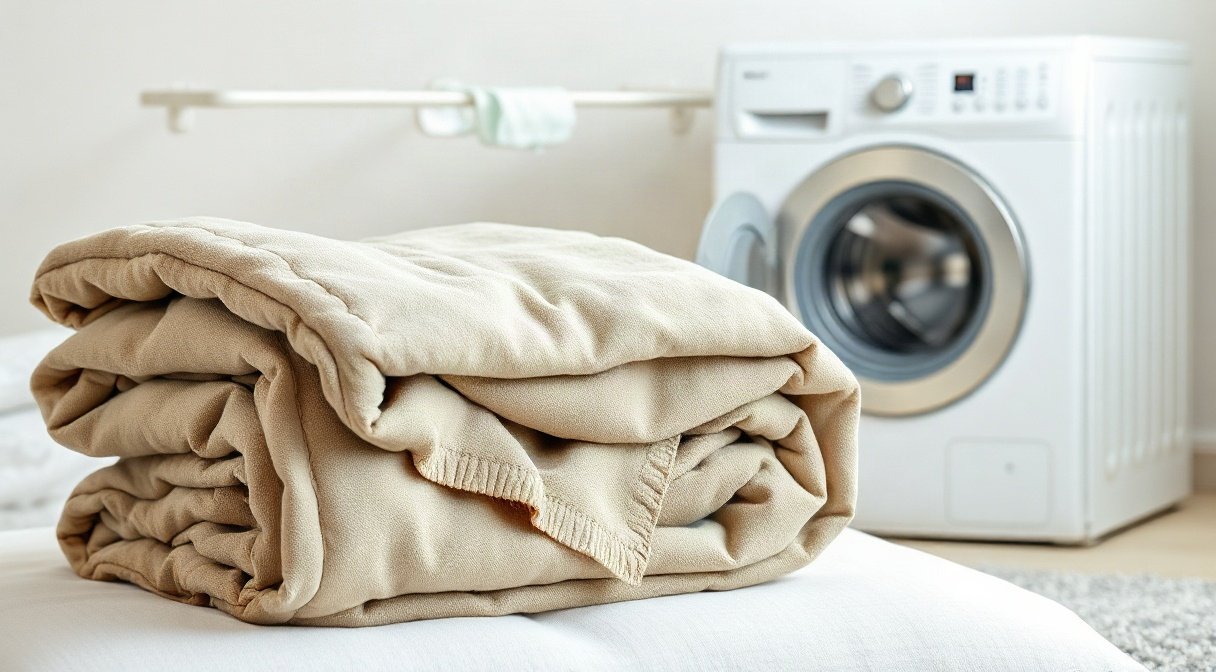
Machine washing is convenient when the care label expressly allows it and the blanket fits comfortably in the washer. Use the machine type and cycle recommended by the manufacturer. A front-loader often has no central agitator, but that does not automatically make it suitable: drum size and load limits still matter. An overloaded washer can cause poor rinsing, uneven movement, and excess strain on seams.
Before washing, fasten any closures, remove a detachable cover, and check for open seams or loose stitching. Shake off loose dust outdoors or over a bathtub. Treat small marks gently rather than scrubbing hard, which can roughen the shell or push a stain deeper into the fabric.
Choose a gentle, label-approved wash
- Place the blanket loosely in the drum, distributing its weight rather than stuffing it into one tight bundle.
- Select the cycle and water temperature permitted by the care label. If a gentle or delicate cycle is recommended, use that setting.
- Add a modest amount of mild detergent, following its directions. Excess detergent can be difficult to rinse from thick fabric.
- Skip bleach and fabric softener unless the manufacturer explicitly says they are safe for the material.
- Run an extra rinse only if the label and machine instructions allow it and detergent residue remains a concern.
Use detergent sparingly. A heavy dose does not make a blanket cleaner and may leave residue that irritates sensitive skin or attracts more soil. Avoid adding other laundry to the load unless the machine and blanket instructions clearly allow it; extra items can increase imbalance and restrict movement.
Do not use a high-speed spin automatically. Some blankets tolerate a normal spin, while others need a lower setting to reduce stress on the stitching. Follow the blanket’s label. If the washer repeatedly thumps, shifts, or displays an imbalance warning, stop the cycle and consult the washer instructions. Do not force the machine to continue with an unstable load.
When machine washing is the wrong choice
Choose another method if the label says hand wash or spot clean only, the blanket does not fit with room to move, or the seams show damage. A household washer that is too small can be worse than no machine wash at all. Oversized blankets may need a commercial washer, but confirm that its capacity and cycle are suitable before loading it.
Also consider the age and condition of the item. A blanket with leaking beads, weakened stitching, or a fragile shell should not go through a vigorous cycle. A repair service may be safer than washing. If the label permits machine washing but you remain unsure, contact the maker with the model name and ask about the recommended cycle and load size.
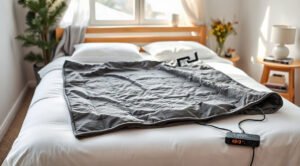
These weighted blanket washing instructions are deliberately conservative: the aim is to clean the shell without stressing the fill compartments. If your blanket is electric or contains a heating system, do not apply ordinary blanket-washing advice. Follow the heating product’s instructions and see our guidance on electric blanket safety and timer features for related considerations.
After the cycle, support the blanket with both arms as you remove it. A saturated blanket can sag under its own weight. Do not pull it by one corner or lift it by a small loop, since that can put concentrated stress on the seams.
Hand-Washing a Weighted Blanket Step by Step
Hand washing can be a sensible option when the care label allows it but the blanket is too large for your home washer. It gives you control over agitation, although it still requires enough space and safe handling. A tub, large basin, or clean bathtub can work if the blanket can be submerged without being tightly packed.
Before beginning, make sure the tub is clean and the drain is secure. Have a clear, nearby place ready for the wet blanket, such as a drying rack that can support its weight. Moving a waterlogged blanket across a room is difficult, so plan the route before filling the tub.
Use cool or lukewarm water if the label permits
- Fill the tub with the water temperature stated on the care label. If the label gives no temperature, check with the manufacturer rather than guessing.
- Mix in a small amount of mild detergent until it is evenly diluted. Avoid pouring concentrated detergent directly onto the fabric.
- Lower the blanket into the water gradually and let it become thoroughly wet. Do not drop it in or force it into a cramped basin.
- Press gently across the surface to move soapy water through the fabric. Lift and reposition sections carefully instead of twisting or aggressively rubbing them.
- Drain the tub and refill with clean water to rinse. Repeat until the water is clear and no slippery detergent feel remains.
Keep the handling gentle. Twisting, wringing, or pulling the blanket can stretch the shell and put uneven tension on the compartments that hold the beads. Avoid standing on it or pressing down with sharp objects. If the blanket is too heavy to move safely even while wet, stop and seek a professional cleaning option recommended by its maker.
Rinse and lift with the blanket supported
Rinsing may take more than one change of water because a thick blanket can hold detergent. Pressing gently is more appropriate than wringing. When you are ready to drain the tub, support the blanket in sections so its weight does not hang from one edge. Let excess water drain before moving it to the drying area.
Do not drag the wet blanket over rough flooring or carry it by one corner. If possible, slide a clean, sturdy board or laundry basket under it, or ask another adult to help support the load. Stop if a seam starts to pull or beads begin to escape. Those signs mean the blanket needs repair rather than more handling.
Hand washing is not automatically gentler if it involves repeated lifting, heavy scrubbing, or an awkward transfer. The method is best for people who can comfortably manage the blanket and have a safe place to dry it. It is not a good option for anyone who cannot lift or support its wet weight without strain. When in doubt, consult the manufacturer or a cleaner familiar with weighted bedding.
For a removable cover, wash the cover separately whenever possible. This reduces the need to immerse the weighted insert and is one of the simplest clean weighted blanket tips for routine upkeep. Follow the cover’s own care instructions, as its fabric may need different water temperature or drying conditions than the inner blanket.
If hand washing does not fully remove an odor, do not add stronger chemicals or leave the blanket soaking for an extended time unless the maker says that is safe. Prolonged soaking can affect some fabrics, finishes, or stitching. Rinse thoroughly, dry promptly using the approved method, and seek specific advice if the smell persists.
For anyone comparing blanket styles, the most practical washable weighted blanket guide is the care label itself. Easy-to-remove covers can make regular cleaning simpler, while delicate or bulky constructions may require more hands-on care. Choose a design that matches the cleaning routine you can realistically maintain.
Drying Techniques That Protect Beads, Seams, and Fabric
Drying deserves as much attention as washing. A damp weighted blanket is heavy, and intense heat can shrink fabric, weaken stitching, or harm some fills. Follow the label’s instructions for tumble drying, line drying, or flat drying. If the label does not clearly approve a dryer, do not assume that a low-heat setting is safe.
After washing, support the blanket evenly. Gently press out excess water without twisting. You can place it between clean towels and press lightly if the care instructions permit, but do not use your full body weight or wring it out. The goal is to reduce dripping without bending or straining the compartments.
Air-dry with even support and airflow
If air drying is permitted, spread the blanket across a sturdy drying rack or another clean, level surface with airflow beneath and around it. Avoid hanging a saturated blanket from a single line or narrow edge; the weight can pull on the seams and cause stretching. If you must drape it, distribute the weight across a broad, well-supported area and reposition it carefully as it dries.
Turn or shift the blanket periodically if the care label allows. This can help both sides dry more evenly. Keep it away from direct heat sources, hot radiators, and prolonged harsh sunlight unless the manufacturer says otherwise. Allow enough time for the inner layers and stitched pockets to dry fully, not just the exposed surface.
Use a dryer only when the label approves
When tumble drying is specifically allowed, use the temperature and cycle stated by the manufacturer. A low-heat or air-only setting may be recommended for some blankets, but it is not a universal rule. Check the blanket periodically and pause the cycle if it feels unusually hot, the shell changes shape, or the load becomes unbalanced.
Do not overload the dryer, add high heat to speed things up, or leave a blanket bunched into a dense lump. Uneven heat and poor airflow can leave damp areas. Dryer balls or other items should only be used if the care label permits them. When a large blanket cannot tumble freely in your dryer, air drying or professional care is a safer choice.
Once dry, inspect the blanket before putting it back on the bed. Feel along the compartments for dampness, check the seams for new openings, and look for areas where the fill seems to have shifted. If it is still damp, continue drying using the approved method. Storing or using a damp blanket can lead to a musty odor and may damage the fabric over time.
Keep the blanket flat or gently folded while it finishes drying. Avoid sharp folds that repeatedly crease one section, and do not place heavy objects on top. After it is fully dry, fluff or redistribute the fabric gently by hand if the maker recommends it. Never shake it forcefully if doing so could stress old seams.
The same precautions apply after spot cleaning: use as little moisture as practical, then dry the cleaned area completely before covering or folding the blanket. Test a hidden area first if you are unsure how the shell reacts to water. If a mark remains, repeat only a method permitted by the label rather than escalating to harsh cleaners.
When comparing blanket options, think about drying space as well as washability. A large insert that needs flat drying may be inconvenient in a small home, even if its surface is easy to clean. For practical ideas on organizing bulky household items, browse these compact storage ideas for small apartments.
Care Habits That Extend a Weighted Blanket’s Lifespan
Washing only when needed is often kinder to a weighted blanket than frequent full cleaning. Use a removable cover when the manufacturer allows one, and wash the cover as directed. Airing the blanket in a dry, well-ventilated room can help it feel fresher between washes, but avoid leaving it in damp conditions or intense sunlight for long periods.
For a small spill, blot promptly with a clean cloth. Press from the outside of the stain toward the center to reduce spreading. Use a little water and mild cleaning solution only if the care label permits it, and test a hidden patch first. Avoid soaking the fill compartments, scrubbing hard, or applying stain removers, bleach, or solvents that the manufacturer has not approved.
Inspect seams and manage stains early
Make a quick visual check when changing bedding. Look for loose threads, open seams, thinning fabric, stains, and escaping beads. Catching a small problem early may prevent a larger repair later. Do not continue using a blanket that is leaking fill; keep children and pets away from loose beads, and contact the manufacturer or a qualified repair professional.
Use gentle handling when making the bed. Lift the blanket rather than dragging it across rough surfaces, and avoid pulling on the corners or decorative stitching. Do not fold it sharply in the same place every day if that creates a persistent crease or puts pressure on a seam. Follow the maker’s instructions for folding, rolling, or storing the specific design.
Store it clean, dry, and supported
Before storage, make sure the blanket is fully dry. Fold it loosely or store it flat in a clean, dry location, following any instructions about compression. Avoid sealing a damp blanket in a plastic container or leaving it in a hot attic, a humid basement, or direct sunlight. If you use a storage bag, keep the blanket clean and dry first, and do not compress it more than the manufacturer allows.
Good maintenance also includes choosing a blanket that matches your household’s laundry setup. A removable cover is helpful for people who want to clean the outer layer often, but it does not eliminate the need to care for the insert. A lighter, more manageable design may suit someone who cannot safely lift a heavy wet blanket. Delicate knit constructions may be a poor fit for households that need frequent machine washing.
This washable weighted blanket guide cannot replace model-specific instructions, but it can help you compare practical trade-offs. A machine-washable design may be convenient, yet it still needs a drum large enough to hold it. A hand-wash design may avoid machine agitation, but requires safe lifting and drying space. Consider who will clean it and where it will dry before choosing a blanket.
Here are more habits that help preserve the blanket:
- Use a cover if compatible, and wash it separately according to its label.
- Address small spills promptly with gentle blotting rather than aggressive scrubbing.
- Keep the blanket away from sharp objects, pets’ claws, and rough surfaces that can snag the shell.
- Follow the manufacturer’s exact limits for washing frequency, detergent, water temperature, and heat.
- Do not sew over bead pockets or make repairs that could trap or release fill without appropriate experience.
For routine upkeep, these clean weighted blanket tips are more useful than frequent deep washing: protect the shell, keep it dry, and deal with small messes early. If the blanket develops a persistent odor, visible mold, extensive staining, or damaged seams, ask the manufacturer or a professional cleaner for advice instead of masking the issue with fragrance.
When there is doubt, choose the least aggressive approved method. The goal is a clean blanket that remains evenly filled and structurally sound—not simply a blanket that has been through the most intensive cycle available.
For independent testing and further reading, see Wirecutter and Consumer Reports.
Frequently Asked Questions About Weighted Blanket Care
How often should I wash a weighted blanket?
Follow the manufacturer’s recommended schedule, since fabrics and fills differ. Many people can reduce full washes by using a compatible removable cover, spot-cleaning small spills, and airing the blanket in a dry room. Wash it sooner if it is visibly soiled or has an odor, but do not wash it more often than its care instructions permit.
Can glass beads melt or break in the wash?
Glass beads are generally chosen for their stability, but that does not make every glass-bead blanket safe for every cycle or temperature. The shell, stitching, and construction may be more vulnerable than the beads. Use the washing and drying methods specified by the manufacturer, and avoid high heat or forceful agitation unless expressly approved.
Can I put my weighted blanket in a regular washer?
Only if the care label permits machine washing and the blanket fits in the drum with room to move. Consider the machine’s capacity and the blanket’s weight, especially when wet. If it is crowded, causes an imbalance, or strains the washer, stop and choose an approved alternative such as hand washing or professional cleaning.
What detergent should I use?
Use a mild detergent that is suitable for the shell and permitted by the care label. Measure it according to its instructions; using extra can leave residue in thick fabric. Avoid bleach, fabric softener, and stain treatments unless the manufacturer confirms they are safe for your blanket.
What should I do if the label is missing?
Look for the model name, product paperwork, or manufacturer’s care page. If you cannot find reliable instructions, contact the maker before washing. A removable cover may be washable even when the insert is not, so do not treat the two pieces as interchangeable.
How do I dry a weighted blanket without a dryer?
If air drying is allowed, spread the blanket over a sturdy, ventilated surface so its weight is supported evenly. Avoid hanging a saturated blanket from one edge, twisting it, or placing it near intense heat. Let it dry completely, checking thick areas and bead compartments before storing or using it.
Can I spot-clean instead of washing the whole blanket?
Often, yes, when the care label permits spot cleaning. Blot a spill promptly, test any approved cleaner on a hidden area, and use minimal moisture. Avoid soaking the fill or scrubbing aggressively. Dry the treated area completely, and contact the manufacturer if the stain or odor persists.
Conclusion: Clean Gently and Follow the Label
The safest weighted blanket washing instructions begin with the care label, a check of the seams, and an honest assessment of your washer or drying space. Machine wash only when the blanket and machine can handle it; hand wash only when you can move the wet load safely. Use mild detergent, gentle handling, and an approved drying method.
For lasting comfort, use a compatible cover, tackle small spills early, and store the blanket only when it is completely dry. A little prevention can reduce unnecessary washing and help protect the fabric, stitching, and bead compartments. Save this washable weighted blanket guide for your next laundry day, and check the manufacturer’s instructions before starting.